About
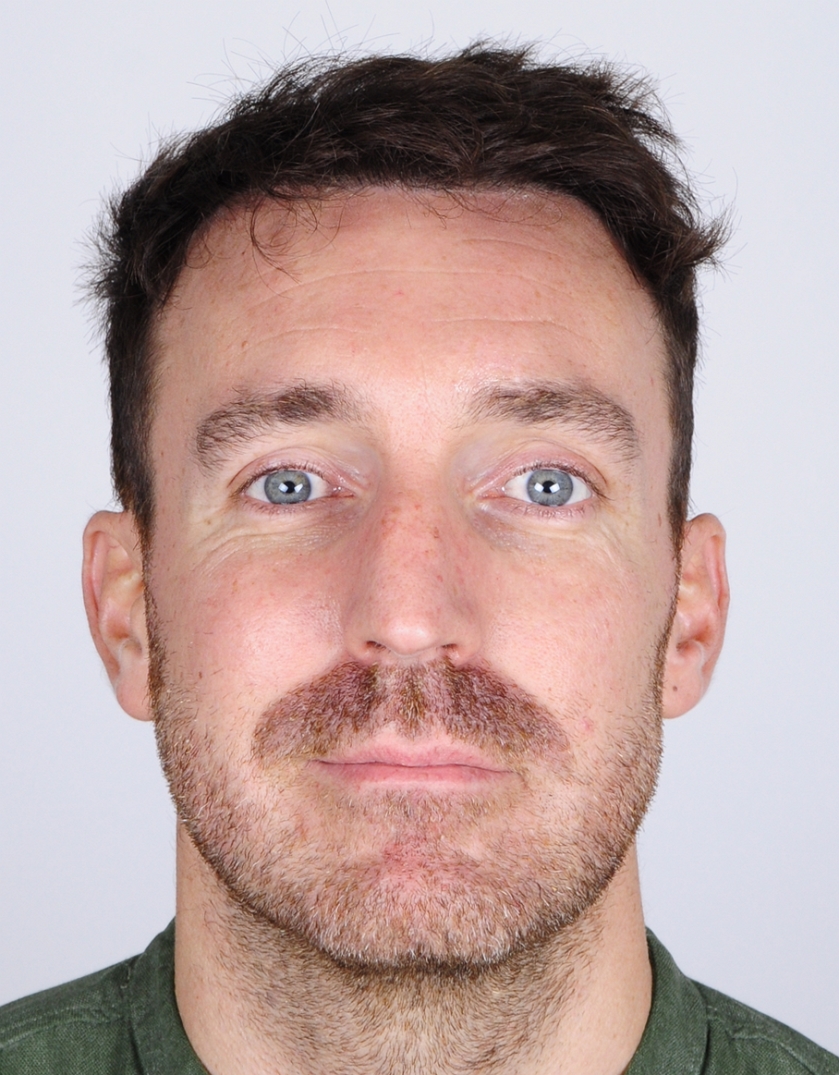
I am Simon Besnard, a senior researcher at the GFZ Helmholtz Centre Potsdam. I received my PhD jointly from Wageningen University & Research and the Max Planck Institute for Biogeochemistry, under the supervision of Prof. Martin Herold and Dr. Nuno Carvalhais.
Research
Forest carbon science has long relied on canopy-surface metrics, and these remain fundamental. Spaceborne LiDAR (GEDI, ICESat-2) now adds a new dimension: for the first time, we can quantify how vertical forest structure shapes carbon dynamics at global scale. I develop open-source data infrastructure, such as gediDB, icesat2db, alsdb,to make this possible, and use it to understand how forest age, disturbance, and 3D structure drive the terrestrial carbon cycle. Recent work in Nature Ecology & Evolution (2025) demonstrates a global covariation between forest age transitions and the net carbon balance across biomes. A parallel study (2025, Biogeosciences, in review) shows that natural disturbances are increasingly affecting Europe’s most mature and carbon-rich forests.
Studies
I began my academic career with a BSc in Environmental Sciences from the University of Rennes 1, France. I then completed an MSc in International Land Management at Montpellier SupAgro, followed by an MSc in Remote Sensing and Geo-Information Science at Wageningen University, The Netherlands. My PhD combined remote sensing, forest inventory data, and machine learning to map global forest age and quantify its influence on ecosystem carbon fluxes.